


 Opening an indoor playground: how profitable is it?

Opening an indoor playground: How profitable is it?
The profitability of an indoor playground is well-established. However, it can vary based on several factors, such as location, the size of the park, operating costs, local competition, market demand, and effective management.
Opening-an-indoor-playground
Play In Business, a designer of indoor leisure parks for over 25 years, provides you in this article with the key elements to ensure the profitability of your indoor playground as well as the essential steps for its successful implementation.
Key elements to ensure the profitability of an indoor playground
To open a profitable indoor playground, here are 7 elements related to costs and revenue that you must estimate as accurately as possible:
- Initial costs: indoor playgrounds require a considerable initial investment for the acquisition or lease of the space, the purchase of play equipment, interior design, decoration, sanitary facilities, security, and more.
- Operating expenses: operating expenses include rent or mortgage payments, utilities, equipment maintenance, cleaning, staff salaries, insurance, taxes, marketing, and more.
- Capacity and occupancy rate: the more visitors the indoor playground can accommodate at once, the higher the potential revenue.
- Pricing: setting an appropriate entry price is crucial; if it is too high, it acts as a deterrent, and if it is too low, it impacts the profit margin.
- Additional offers: birthday parties, special events, catering services, and souvenir shops are complementary activities that contribute to better profitability for the indoor playground.
- Marketing and customer loyalty: a solid marketing strategy and efforts to build customer loyalty are essential for attracting new customers and encouraging existing ones to return.
- Effective management: reducing costs, optimizing operations, ensuring visitor safety, and maintaining customer satisfaction are obviously essential and may involve certain costs.
The profitability of indoor play centers can vary from one location to another and will also depend on the decisions made by the park owners and managers. It is therefore important to conduct thorough market research and a preliminary financial analysis before opening an indoor playground.
Steps to opening an indoor playground
As a passionate and lucrative venture, opening an indoor playground requires a number of essential steps:
- Market research: thorough market research to assess potential demand in your area is crucial.
- The Business Plan: develop a solid business plan that formalizes your market research to secure financing. Click here for more details.
- Choice of location: find a suitable location for your indoor playground by looking for high-population-density areas that are easily accessible and have ample parking.
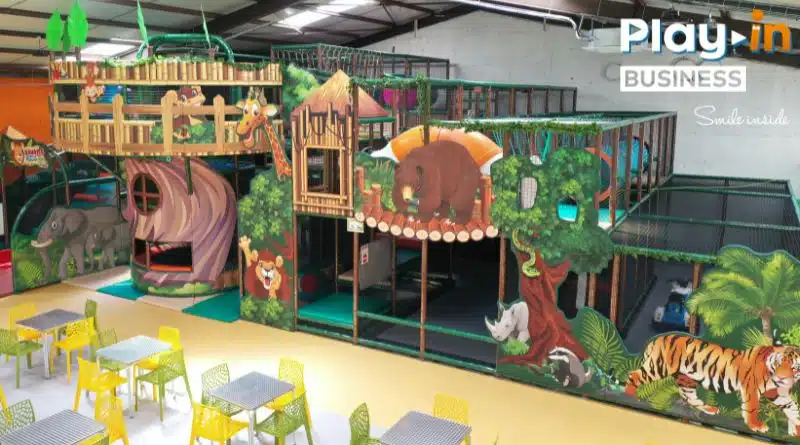
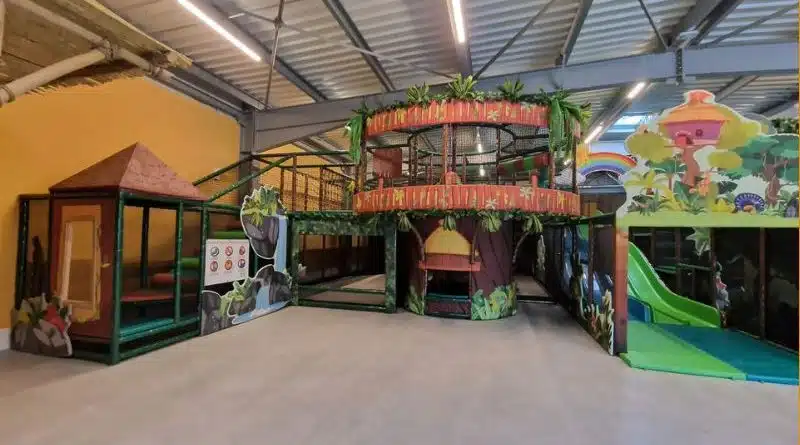
- Design and space planning: remember to include a variety of activities suitable for different age groups: tubular play structures, slides, trampolines, ninja courses, and an area for parents or supervisors. Choose from our high-quality equipment and infrastructure, compliant with safety standards, to create your modern and safe indoor playground.
- Licenses, permits, and insurance: find out about the licenses and permits required to operate an indoor playground in your area, such as building permits, business licenses, safety certifications, etc. Opt for adequate liability insurance to protect yourself financially in the event of a dispute or claim.
- Marketing and promotion: develop a solid marketing strategy to promote your indoor playground! Use social media, local advertising, partnerships with schools and organizations, and offer special deals.
- Staff: hire qualified and friendly staff to supervise the indoor playground activities and ensure the safety of the children.
Do not hesitate to contact Play In Business if you have decided to open an indoor playground; you can also obtain valuable information by reading our dedicated guide.