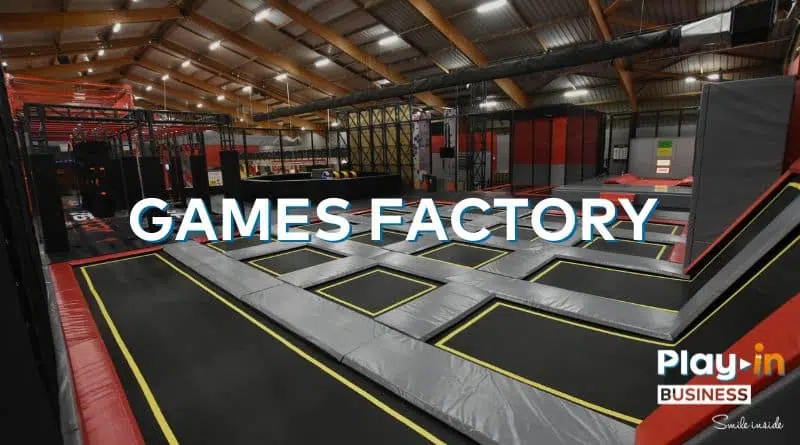



 How to Open a Trampoline Park
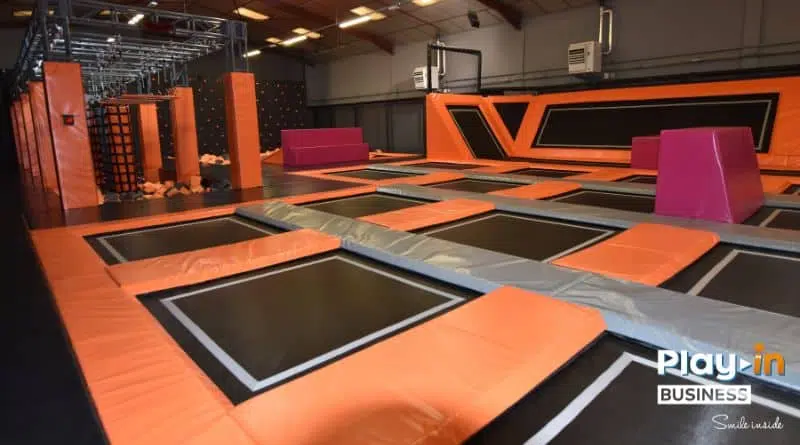
Trampoline parks are booming, with hundreds opening each year in Europe. Profitability appears to be there, as many operators are looking to open new parks.
Finding the ideal premises: Location and technical constraints
Choosing the right building is a decisive step that determines the very feasibility of your project. A trampoline park cannot be set up in just any warehouse.
Ceiling height requirements
This is the number one criterion. To ensure the safety of jumpers and comply with European standards, a clear height of at least 4 metres above the jumping mats is mandatory. In practical terms, you should target a building offering a minimum ceiling height of 5.5 metres, or even 7.5 metres if you plan to install performance trampolines (pro or Olympic zones).
Accessibility and parking
Your park will attract families, groups of friends and students, mainly on Wednesdays, weekends and during school holidays. Your premises must be easily accessible by car as well as by public transport. Plan for a sufficiently sized car park (at least 50 to 80 spaces for a medium-sized park) to handle peak attendance on rainy days.
Layout: Much more than just jumping mats
Today, to stand out from the competition and justify the ticket price, a modern trampoline park must be designed as a true multi-activity complex.
Incorporating the latest leisure trends
Classic rows of trampolines are no longer enough. Your future customers are looking for challenges and interactivity. Consider integrating dedicated areas to segment your offering:
-
Safe landing pits: Replace old foam pits with giant airbags, which are more hygienic and easier to maintain.
-
Sports zones: Dodgeball courts (trampoline dodgeball) and basketball hoops (Dunk Zone) for competition enthusiasts.
-
Interactivity and technology: Systems such as Valo Jump (where the player becomes the hero of a video game on a giant screen in front of them) or augmented-reality climbing walls.
The Ninja Course: A major draw for teenagers
This has been the big trend in recent years. Adding a Ninja Warrior course along the edge of your trampoline area helps attract an older clientele (teenagers and young adults) looking to push themselves, while maximizing the use of your building space.
Levers to maximize your profitability
While traditional ticket sales (open sessions) form the basis of your revenue, a high-performing trampoline park relies on other income streams that are essential to profitability.
The must-have snack bar / food service area
Exercise makes people hungry and thirsty. A well-designed relaxation area that is comfortable and soundproofed is crucial. While the children are jumping, parents will purchase. Cold drinks, quality coffee, crêpes or pizzas are high-margin products that will increase your average basket.
Events
Your park must become a true event machine:
-
Birthday packages: This is at the heart of an indoor park’s profitability. Private rooms, a cake, a dedicated host… These packages guarantee revenue collected in advance and bring in new potential customers at every party.
-
Team building for companies: During the week, in off-peak hours, privatize your facilities for corporate seminars. Dodgeball tournaments are very popular for strengthening team cohesion.
This business plan is the second step in creating a trampoline park. Whether you need bank financing or not, you must assess your company’s profitability. Many factors must be taken into account: the catchment area, the presence of universities (students are big fans), the presence of competitors, rent, operating costs, taxes, the cost of fit-out and equipment works. Many quotes need to be prepared. Play In Business can help you write the business plan and provide equipment quotes with 3D plans.
After securing your financing, all that remains is to set up your company and start the construction work. Generally, it takes 3 months between the start of the works and the park’s opening. At the same time, you must select and train staff, contact suppliers (food, wristbands, non-slip socks, etc.), start communicating on social media, organize your opening event, prepare your events calendar (Halloween, Christmas trees, themed nights, student parties, etc.), offer birthday parties… It is a great deal of work, but it is not complicated. You simply need to… forget nothing.
The next step is financing. If you need to apply for bank financing, your business plan must not simply list figures, but clearly explain why you want to open a trampoline park, your motivations and your background. A banker first needs to be convinced that you will be a good business manager. And if you are a good manager, the business plan figures will finish convincing your contact.
Then plan a soft opening by inviting your family, employees and friends to check that everything works properly. And if it does not, your friends will not hold it against you.
Above all, make your park safe (read the safety blog): choose a European supplier, write clear and precise rules, have ALL jumpers read and understand them BEFORE jumping, put real supervision in place with motivated staff, and do not hesitate to remove jumpers who do not follow the rules. A safe park is a guarantee of success.